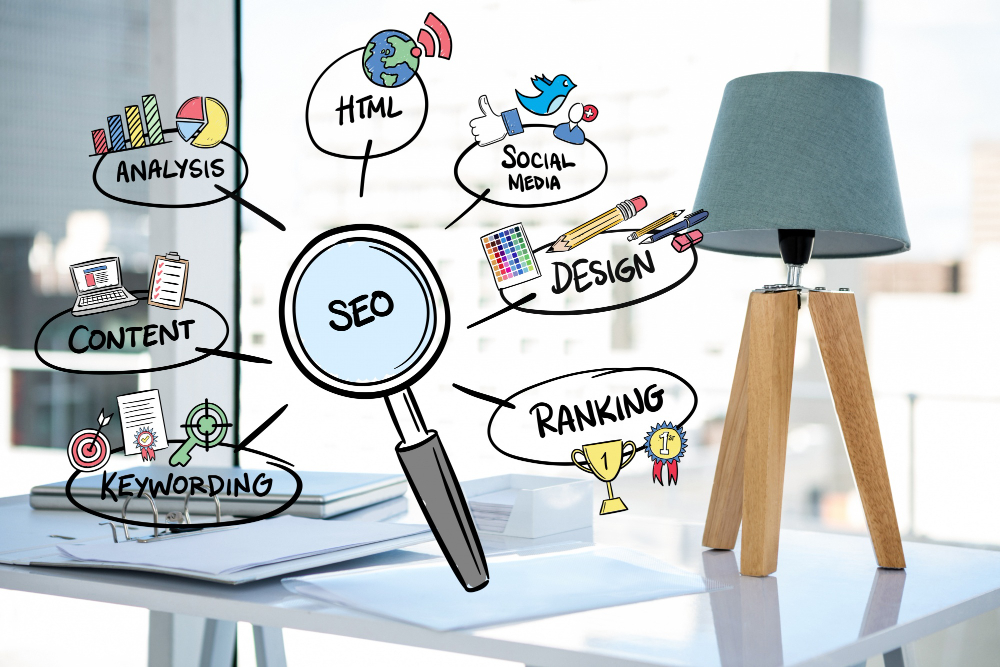
Ecommerce SEO Strategies That Drive High-Intent Traffic

Getting traffic is easy. Getting buyers is not. Ecommerce SEO focuses on attracting users who are actively searching to purchase products. With the right ecommerce SEO strategies, online stores can drive high-intent traffic that converts into sales.

What Is High-Intent Traffic in Ecommerce SEO?

High-intent traffic comes from users searching with keywords such as:

Product-specific searches

These users are closer to making a purchase, making them more valuable than general visitors.

Key Ecommerce SEO Strategies That Work

Optimize Product Pages for Buyer Intent

Use clear product titles, detailed descriptions, schema markup, and optimized images to rank for purchase-ready searches. y.

Category Page SEO Optimization

Category pages often drive the highest revenue. Optimizing them with proper keywords, internal links, and content improves rankings and traffic quality.

Technical SEO for Ecommerce Websites

Improve site speed, mobile usability, crawlability, and indexing to ensure search engines can rank your store effectively.

Internal Linking for Better Product Discovery

Strategic internal links help search engines and users find high-value product pages faster.

Why Ecommerce SEO Delivers Long-Term Growth

Unlike paid ads, ecommerce SEO builds sustainable traffic, reduces acquisition costs, and continuously attracts buyers with strong intent.

Conclusion

Effective ecommerce SEO strategies focus on buyer intent, product visibility, and technical performance to drive traffic that actually converts.

FAQS

Ecommerce SEO is the process of optimizing online stores to rank higher in search engines for product and category-related keywords. It is important because it attracts high-intent users who are actively searching to purchase products. By improving visibility, site structure, and content relevance, ecommerce SEO helps increase qualified traffic, conversions, and long-term online sales growth.
Ecommerce SEO targets keywords with strong purchase intent, such as product names, categories, and transactional search terms. By optimizing product pages, meta descriptions, and internal linking, businesses attract users who are ready to buy. This focus on buyer-intent searches ensures traffic quality is high, resulting in better conversion rates and revenue.
Ecommerce stores should target transactional and commercial-intent keywords, including product-specific terms, “buy online” phrases, brand-based searches, and long-tail keywords. These keywords indicate strong purchasing intent. A specialized ecommerce SEO strategy focuses on keyword relevance, search volume, and competition to drive traffic that is more likely to convert.
Optimized product pages improve ecommerce SEO by helping search engines understand product relevance and value. Proper optimization includes unique product descriptions, optimized titles, structured data, high-quality images, and customer reviews. These elements improve rankings, enhance click-through rates, and attract high-intent shoppers searching for specific products.
Category pages play a crucial role in ecommerce SEO because they target high-volume, high-intent search terms. Optimizing category content, headings, internal links, and filters improves search visibility and user navigation. Well-optimized category pages help capture buyers earlier in their decision-making process and guide them toward product purchases.
Technical SEO ensures ecommerce websites load fast, are mobile-friendly, and are easily crawlable by search engines. Fixing issues like broken links, duplicate content, and improper indexing improves site performance. A technically optimized website provides a better user experience, which increases rankings and helps convert high-intent visitors into customers.
A clear and logical site structure helps search engines and users navigate ecommerce websites easily. Proper internal linking, breadcrumb navigation, and organized categories improve indexability and distribute link equity effectively. This structure helps important product and category pages rank higher, driving high-intent traffic that is more likely to convert.
Customer reviews and user-generated content improve ecommerce SEO by adding fresh, keyword-rich content to product pages. Reviews increase trust, improve click-through rates, and influence buying decisions. Search engines also view reviews as signals of relevance and authenticity, helping attract high-intent users who are closer to making a purchase.
Yes, ecommerce SEO reduces dependency on paid advertising by generating consistent organic traffic from high-intent searches. While paid ads provide quick results, SEO delivers long-term visibility and sustainable growth. A strong ecommerce SEO strategy helps businesses maintain sales momentum without continuously increasing ad budgets.
Ecommerce SEO strategies typically take three to six months to show noticeable improvements in rankings and traffic. However, the long-term benefits include sustained high-intent traffic, improved conversion rates, and reduced customer acquisition costs. Continuous optimization ensures ongoing growth and competitive advantage in search engine results.

Leave a Comment

Your email address will not be published. Required fields are marked *